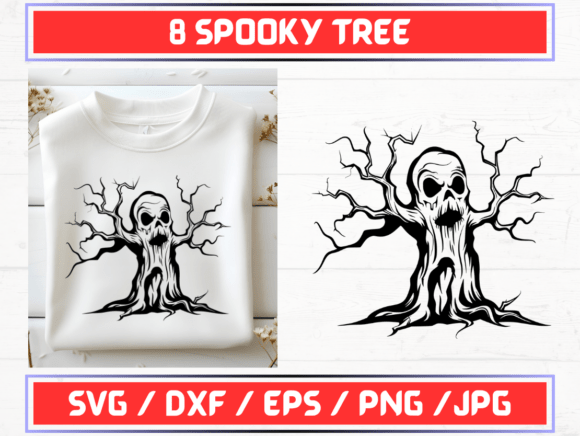
Spooky Tree SVG. DXF. EPS. JPG. PNG: A Comprehensive Guide for Creative Professionals
If you're looking for high-quality, versatile graphic files that can be used across multiple platforms and applications, the Spooky Tree SVG. DXF. EPS. JPG. PNG collection is a valuable resource. This digital product includes 5 file formats—SVG, DXF, EPS, JPG, and PNG—all designed to meet the needs of designers, marketers, educators, and hobbyists alike. With 8 versions of each format, this ZIP folder offers flexibility and adaptability, making it ideal for both beginners and experienced creators.
Understanding the Value of Spooky Tree Files
The Spooky Tree SVG. DXF. EPS. JPG. PNG files are more than just images—they are tools that enable creativity and efficiency. Each format has its own strengths and use cases. For example, SVG (Scalable Vector Graphics) files are perfect for web design and responsive layouts due to their scalability without loss of quality. Meanwhile, JPG and PNG formats are excellent for print and digital media, offering high resolution and transparent backgrounds.
DXF (Drawing Exchange Format) is widely used in engineering and architectural fields, while EPS (Encapsulated PostScript) ensures compatibility with professional printing systems. Understanding these differences helps users choose the right format for their specific project needs.
Common Mistakes When Using Spooky Tree Files
Despite their usefulness, many users make mistakes when working with the Spooky Tree SVG. DXF. EPS. JPG. PNG files. One common error is not checking the file resolution before downloading. While the product claims 300 dpi with transparent backgrounds, some users may overlook the importance of resolution, especially when using the files for large-scale prints or high-definition displays.
Another mistake is assuming all file formats are interchangeable. In reality, each format has unique characteristics. For instance, using an SVG file in a context that requires raster graphics might lead to unexpected results. Similarly, attempting to edit a JPG file in a vector-based program like Adobe Illustrator could cause formatting issues.
Additionally, some users fail to consider the licensing terms associated with the Spooky Tree SVG. DXF. EPS. JPG. PNG files. It's crucial to understand whether the files are for personal use only or if they can be used commercially. Misunderstanding these terms can result in legal complications, especially for entrepreneurs or small business owners who plan to use the files in marketing materials or branded content.
How These Mistakes Affect Your Work
Misjudging file resolution can lead to poor print quality or blurry visuals on digital platforms, which can harm the overall presentation of your work. Choosing the wrong format can also reduce efficiency, forcing you to convert files multiple times or start over with incorrect assets.
Licensing confusion can have even more serious consequences. If you use the Spooky Tree SVG. DXF. EPS. JPG. PNG files in a commercial project without proper authorization, you may face legal repercussions. This is particularly important for freelancers, educators, and bloggers who rely on digital assets to create content for clients or audiences.
Practical Tips to Avoid Common Pitfalls
To ensure you get the most out of the Spooky Tree SVG. DXF. EPS. JPG. PNG files, start by carefully reviewing the product description and any included documentation. Make sure you understand the intended use of each file format and how they differ from one another.
Before using the files, verify that they meet your project’s requirements. Check the resolution, color mode, and transparency settings to ensure compatibility with your design software and intended output. Also, confirm whether the files are royalty-free, for commercial use, or limited to personal projects.
When working with the Spooky Tree SVG. DXF. EPS. JPG. PNG files, consider organizing them into separate folders based on format and purpose. This makes it easier to locate the right file quickly and reduces the risk of using the wrong one in the wrong context.
Realistic Examples and Better Approaches
For example, if you're designing a Halloween-themed website, you might use the SVG version of the spooky tree for interactive elements that scale smoothly across different screen sizes. On the other hand, if you're creating a printable poster, the high-resolution JPG or PNG files would be more appropriate.
Another scenario involves a small business owner planning a seasonal marketing campaign. They might download the Spooky Tree SVG. DXF. EPS. JPG. PNG files and use the EPS format for professional printing, ensuring the highest quality and consistency in their branding materials.
By taking the time to understand the nuances of each file type, you can avoid unnecessary rework and ensure your creative projects look their best, no matter the platform or medium.
What to Check Before Making a Decision
Before purchasing the Spooky Tree SVG. DXF. EPS. JPG. PNG files, ask yourself a few key questions:
- Will I use these files for personal or commercial purposes?
- Are there any restrictions on editing or redistributing the files?
- Do I need vector or raster formats for my project?
- Is the file resolution sufficient for my intended use?
- Does the product include all necessary file types for my workflow?
Answering these questions will help you make an informed decision and ensure the files align with your goals and requirements.
In conclusion, the Spooky Tree SVG. DXF. EPS. JPG. PNG files offer a powerful toolkit for creative professionals. By understanding their strengths, avoiding common mistakes, and making informed choices, you can maximize their potential and enhance your workflow efficiently and effectively.