Pitbull SVG, DXF, EPS, JPG, PNG: Strategic Tools for Creative and Business Success
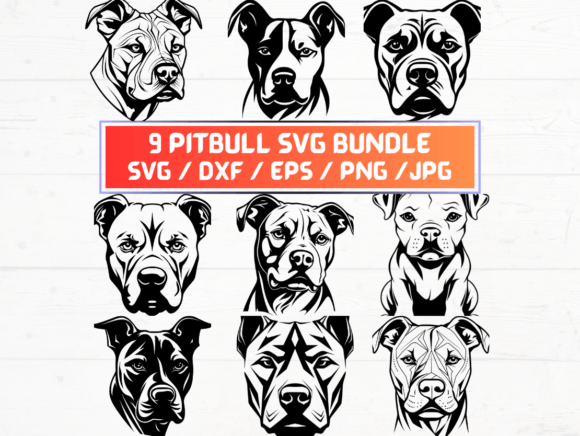
In today’s fast-paced digital world, the ability to create, share, and manipulate visual assets efficiently is more valuable than ever. Pitbull SVG, DXF, EPS, JPG, PNG offers a powerful collection of file formats that can be leveraged across various creative and professional domains. This digital product includes 5 files in a ZIP folder, featuring 9 SVG, PNG, DXF, JPG, and EPS files—all at 300 dpi with transparent backgrounds. Whether you're an entrepreneur, marketer, designer, or small business owner, understanding how to strategically use these formats can significantly enhance your workflow and outcomes.
Understanding Pitbull SVG, DXF, EPS, JPG, PNG
Pitbull SVG, DXF, EPS, JPG, PNG refers to a set of vector and raster image files designed for versatility and high-quality output. Each format has its unique strengths and applications:
- SVG (Scalable Vector Graphics): Ideal for logos, icons, and illustrations that need to scale without losing quality.
- DXF (Drawing Exchange Format): Commonly used in CAD software for engineering and architectural designs.
- EPS (Encapsulated PostScript): Suitable for print media and high-resolution graphics.
- JPG (Joint Photographic Experts Group): Best for photographs and images with complex color gradients.
- PNG (Portable Network Graphics): Excellent for web use due to transparency support and lossless compression.
By offering multiple file types, this product ensures compatibility across different platforms and industries, making it a strategic asset for professionals who work with diverse tools and audiences.
Strategic Use of Pitbull SVG, DXF, EPS, JPG, PNG
The true value of Pitbull SVG, DXF, EPS, JPG, PNG lies in how it's applied. When used thoughtfully, these files can streamline processes, improve communication, and boost productivity. For instance, a marketing team might use SVG files for scalable branding elements, while a graphic designer could leverage PNGs for web-based projects requiring transparency.
Consider a scenario where a small business owner needs to create promotional materials for a new product launch. By utilizing the included files, they can quickly generate high-quality visuals for social media, print ads, and website banners. The availability of multiple formats allows for seamless integration into different channels, ensuring consistent messaging and brand identity.
Moreover, the inclusion of 300 dpi files ensures that all outputs maintain professional quality, which is crucial for both online and print applications. This attention to detail can make a significant difference in how your content is perceived by your audience.
Planning and Execution with Pitbull SVG, DXF, EPS, JPG, PNG
Before diving into the creative process, it's essential to define clear goals and plan accordingly. Ask yourself: What are the specific needs of your project? Which file formats will best serve your purpose? How will these assets contribute to your overall strategy?
A practical approach involves creating a checklist of required assets and matching them with the appropriate file type. For example, if you're designing a logo for a client, SVG would be the optimal choice due to its scalability. If you're preparing a detailed engineering blueprint, DXF would be more suitable.
Additionally, consider the context in which these files will be used. Will they be part of a digital campaign, a printed brochure, or a web-based platform? Understanding the end-use environment helps ensure that the files are optimized for performance and clarity.
Long-Term Value and Decision-Making
Investing in Pitbull SVG, DXF, EPS, JPG, PNG is not just about acquiring files—it's about building a foundation for long-term success. These assets can be reused, repurposed, and adapted to fit evolving needs. For instance, a PNG file created for a blog post can later be transformed into an SVG for a logo or a JPG for a social media graphic.
However, it's important to recognize that without clear objectives, these files may become redundant or underutilized. A common pitfall is using files randomly without considering their strategic role. To avoid this, always align the use of each file with specific goals, whether it's enhancing customer experience, improving operational efficiency, or supporting learning and creativity.
For educators and trainers, Pitbull SVG, DXF, EPS, JPG, PNG can serve as valuable teaching tools. Visual aids in various formats can help students grasp complex concepts more effectively. Similarly, freelancers can use these files to streamline their workflows, reducing time spent on repetitive tasks and increasing overall productivity.
Risks and Considerations
While Pitbull SVG, DXF, EPS, JPG, PNG offers numerous benefits, there are risks associated with its misuse. One major concern is the lack of clear direction. Without a defined purpose, these files may not contribute meaningfully to your goals. It's easy to get caught up in the variety of formats and overlook the importance of intentionality.
Another consideration is compatibility. While most modern software supports these file types, there may be instances where certain formats are not widely accepted. Always verify that the intended platform or tool can handle the chosen file type before finalizing your design or layout.
Additionally, the quality of the original files matters. Although the product guarantees 300 dpi resolution, it's crucial to ensure that the source material is also of high quality. Poorly designed or low-resolution files can compromise the effectiveness of your final output, regardless of the format used.
Intentional Use for Better Results
To maximize the value of Pitbull SVG, DXF, EPS, JPG, PNG, focus on intentional use. Start by identifying key areas where these files can make a tangible impact. For example, if you're working on a branding project, prioritize SVG and PNG files for their scalability and versatility. If you're involved in technical documentation, DXF and EPS files may be more appropriate.
Develop a system for organizing and accessing these files. Creating folders based on project type, file format, and usage context can save time and reduce confusion. Additionally, maintaining version control ensures that you always have access to the most up-to-date assets.
Finally, stay informed about industry trends and emerging technologies. As new tools and platforms evolve, the way you use these file formats may change. Staying adaptable and open to innovation can help you remain competitive and effective in your work.