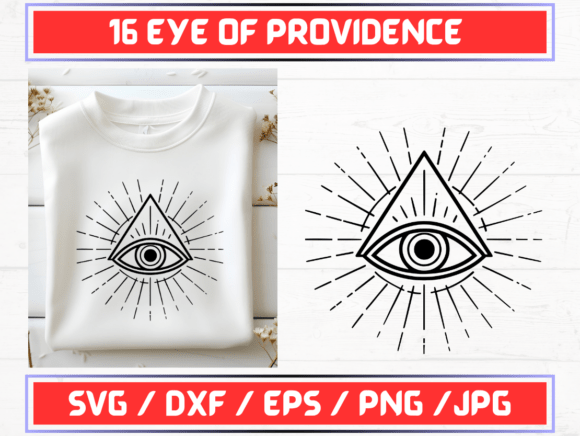
Eye of Providence SVG, DXF, EPS, JPG, and PNG: A Versatile Asset for Creative Workflows
The Eye of Providence is a symbol rich in historical and symbolic meaning, often associated with divine providence and omniscience. In the digital design world, this iconic image has found new life through various file formats, including SVG, DXF, EPS, JPG, and PNG. These files offer creators a flexible and powerful toolset that can be integrated into a wide range of workflows—from graphic design to product development, marketing materials, and educational content.
Whether you're a professional designer, an entrepreneur building brand assets, or a hobbyist exploring creative expression, having access to multiple file formats of the Eye of Providence can significantly enhance your productivity and output quality. Each format serves a unique purpose and offers distinct advantages depending on the project's needs.
Understanding the File Formats
Each file type comes with its own set of characteristics and use cases. For instance, SVG (Scalable Vector Graphics) files are ideal for web-based projects due to their scalability and compatibility with modern browsers. They maintain crisp edges and clarity at any size, making them perfect for logos, icons, and illustrations used across digital platforms.
DXF (Drawing Exchange Format) is commonly used in engineering and architectural design. It allows for precise vector data exchange between different CAD software applications. This makes it a valuable asset for those working on technical drawings or integrating the Eye of Providence into blueprints and schematics.
EPS (Encapsulated PostScript) files are widely used in print media because they support high-resolution graphics and maintain quality when scaled. They are particularly useful for creating professional-grade printed materials such as brochures, posters, and packaging designs.
JPG (Joint Photographic Experts Group) files are best suited for photographic images and complex visuals. While they may not be as scalable as vector formats, they are excellent for web use where file size and loading speed are important considerations.
PNG (Portable Network Graphics) files offer transparency support, making them ideal for overlays, icons, and elements that need to blend seamlessly with other design components. Their lossless compression ensures that image quality remains intact even after multiple edits.
Integration Into Creative Workflows
When considering how to incorporate these files into your workflow, it's essential to think about the stage of the project and the tools you're using. For example, during the initial concept phase, SVG files can be used to create scalable logos or visual elements that will later be adapted into other formats.
During the design phase, EPS and DXF files can be imported into vector editing software like Adobe Illustrator or AutoCAD to refine details, add text, or adjust colors. This flexibility allows for greater control over the final output while maintaining the integrity of the original design.
For print production, EPS files are often preferred due to their high resolution and compatibility with print-ready software. When preparing materials for print, ensuring that all elements are in the correct format and resolution is crucial to achieving professional results.
In web development, SVG files are especially useful because they are lightweight and can be easily embedded into HTML without losing quality. This makes them an excellent choice for responsive web design, where elements need to scale dynamically based on screen size.
When working with PNG files, transparency support can be leveraged to create layered designs, such as background overlays or watermarks. This is particularly beneficial in digital marketing and branding efforts where consistency across platforms is key.
Practical Implementation Tips
To get the most out of the Eye of Providence files, consider the following practical tips:
- Organize your files: Keep each format in a separate folder to avoid confusion and streamline your workflow. Labeling files clearly by version and date helps with version control and easy retrieval.
- Use compatible software: Ensure that your design tools support the specific file formats you're working with. For example, CAD software is necessary for DXF files, while graphic design programs like Photoshop or Illustrator are better suited for PNG and JPG files.
- Test across platforms: Before finalizing a design, test how the Eye of Providence appears on different devices and platforms. This helps identify any issues related to scaling, color accuracy, or file size.
- Backup your work: Digital files are vulnerable to loss or corruption. Regularly back up your project files to ensure that you always have access to the latest versions.
- Consider licensing: If you're using the Eye of Providence for commercial purposes, make sure you understand the licensing terms. Some symbols may require attribution or have restrictions on usage.
By thoughtfully integrating these files into your workflow, you can enhance both the efficiency and quality of your creative projects. Whether you're designing for print, web, or digital media, the versatility of the Eye of Providence in various formats ensures that it remains a valuable asset throughout the entire process.
Conclusion
The Eye of Providence SVG, DXF, EPS, JPG, and PNG files offer a comprehensive solution for designers, marketers, and creators looking to incorporate this iconic symbol into their work. By understanding the strengths and limitations of each format, you can choose the right one for your specific needs and integrate it seamlessly into your workflow.
With careful planning and execution, these files can become an essential part of your creative toolkit, helping you achieve professional results while maintaining consistency and quality across all platforms and mediums.